103 Rules / Leadership Series
Start with the
job you've got.
Start with the job you've got. Each book takes a different part of working life, from your first team to the decisions that shape a whole organisation.
01
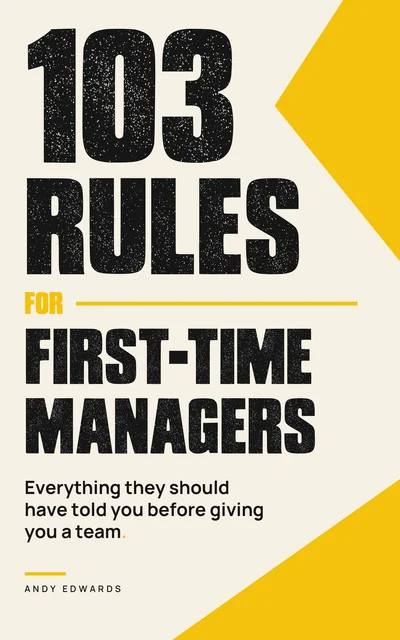
Leadership Series / 01
Everything they should have told you before giving you a team.
The individual manager-direct report relationship: expectations, delegation, one-to-ones, coaching, everyday feedback and careers.
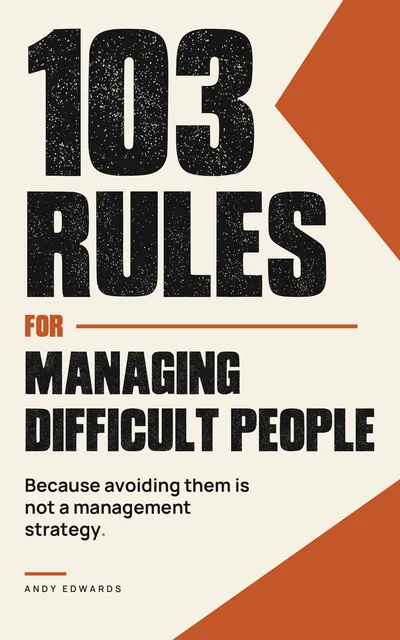
Leadership Series / 02
Because avoiding them is not a management strategy.
Persistent behaviour and performance problems: diagnosis, difficult conversations, conflict repair, fair improvement and escalation.
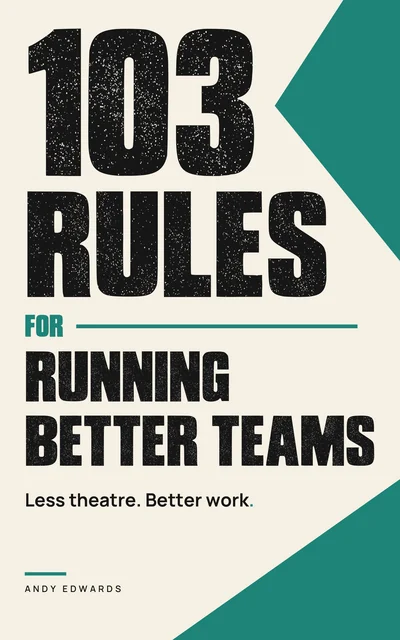
Leadership Series / 03
Less theatre. Better work.
The team as a collective: purpose, roles, interfaces, working agreements, meetings, shared decisions and distributed collaboration.
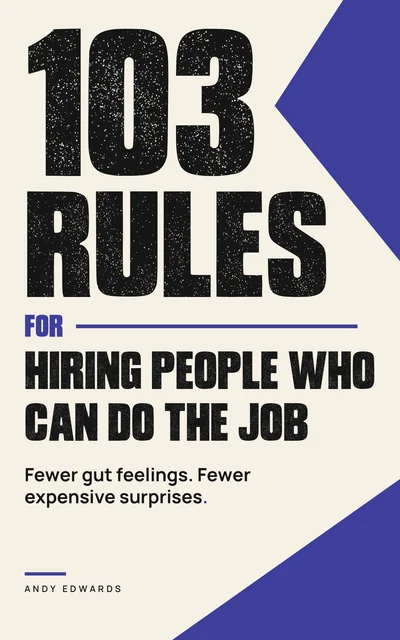
Leadership Series / 04
Fewer gut feelings. Fewer expensive surprises.
The hiring funnel from role need to independent new starter: sourcing, assessment, selection, offers and onboarding.
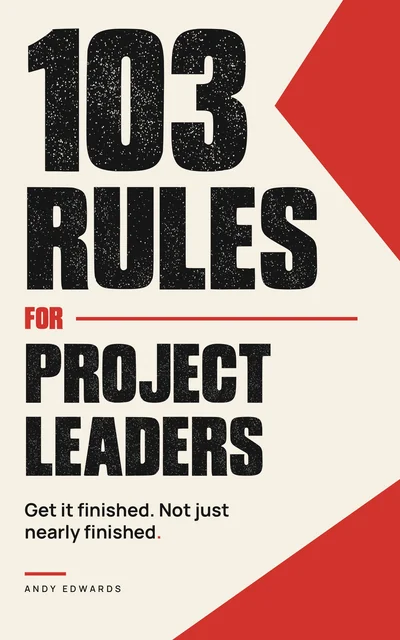
Leadership Series / 05
Get it finished. Not just nearly finished.
Finite delivery: business case, scope, estimates, dependencies, governance, risk, acceptance, recovery and handover.
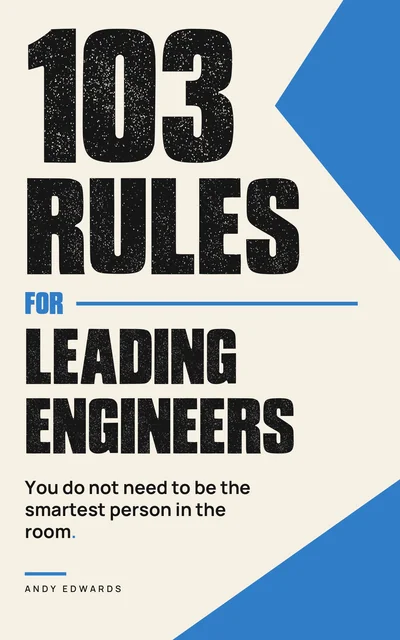
Leadership Series / 06
You do not need to be the smartest person in the room.
Software engineering judgement: architecture, code, testing, releases, reliability, incidents, security, developer tools and AI-assisted work.
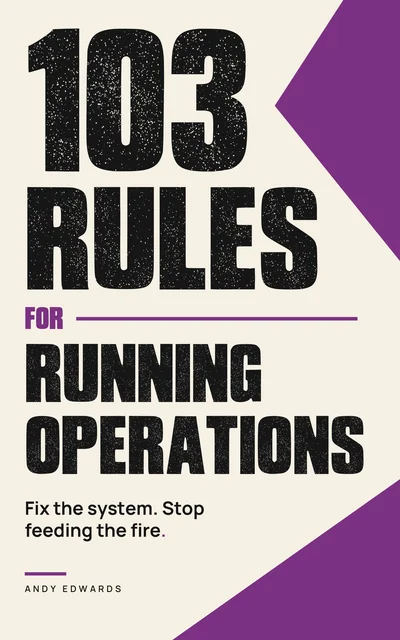
Leadership Series / 07
Fix the system. Stop feeding the fire.
Recurring service and production work: demand, queues, capacity, standard work, quality, suppliers, operating cost and continuity.
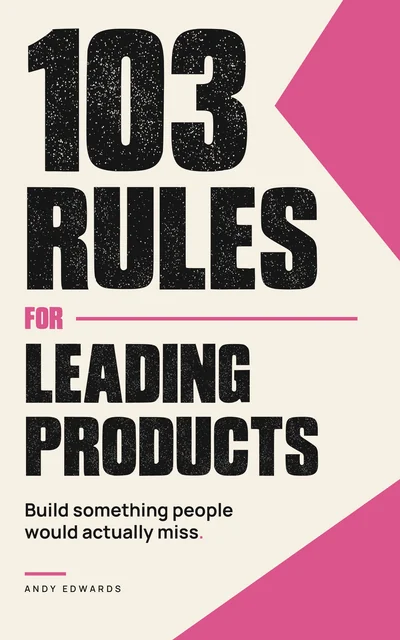
Leadership Series / 08
Build something people would actually miss.
Product value and viability: customer problems, research, strategy, discovery, prioritisation, measurement, experiments, pricing and lifecycle.
Leadership Series / 09
The job changed. Nobody gave you the instructions.
Enterprise-level leadership: strategy, finance, resource allocation, organisation design, managers of managers, governance and stewardship.
Leadership Series / 10
A launch email is not a transformation.
The human adoption of organisational change: impact, sponsorship, participation, communication, barriers, retraining, rollout and sustained use.